Robust DC Motor
In today's rapidly evolving market, the demand for DC brushless motors is surging. According to industry analyses, the global DC brushless motor market is projected to reach $16 billion by 2027, reflecting a CAGR of 8.5%. This growth is driven by advancements in technology and an increasing preference for energy-efficient solutions. As industry expert Dr. Emily Chen notes, "DC brushless motors are transforming how we think about efficiency and performance in various applications."
Manufacturers are increasingly favoring these motors for their longevity and minimal maintenance requirements. Notably, sectors like automotive and consumer electronics are leading the way. While the advantages are clear, buyers should also consider quality and reliability. Some brands still lack in these areas, leading to inconsistent performance outcomes. Evaluating different options carefully is crucial.
Furthermore, innovations in design and construction are expanding the capabilities of DC brushless motors. However, as the market becomes saturated, distinguishing between high-quality and subpar products is challenging. Engaging with reputable sources and industry experts can provide valuable insights. In this competitive landscape, the choices made by global buyers will significantly shape the future of the DC brushless motor industry.
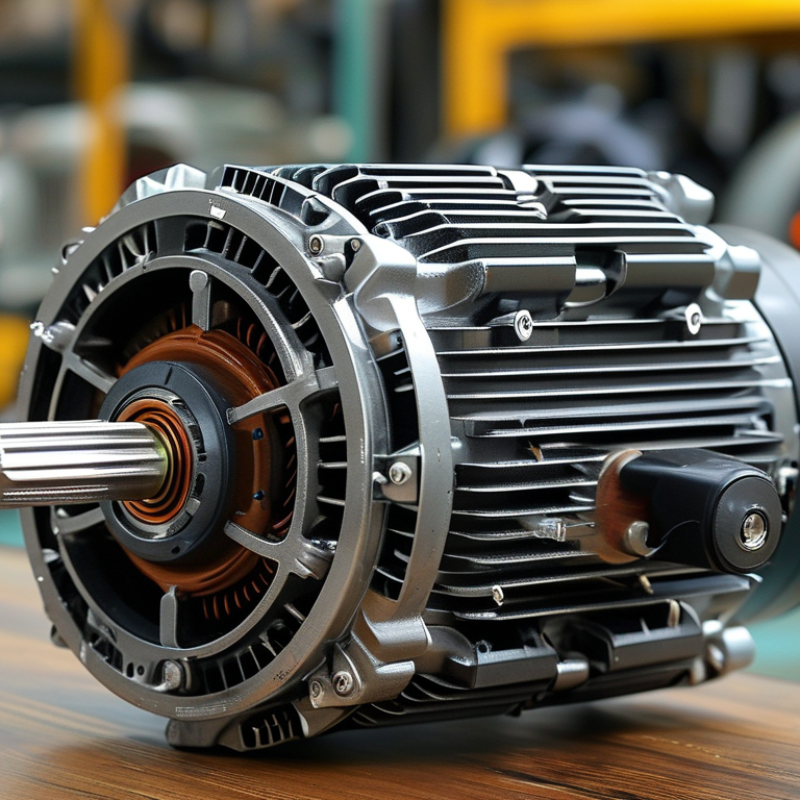
When exploring the best DC brushless motor options, it's essential to consider various factors influencing performance. The global brushless DC motor market has showcased astounding growth, projected to reach $31 billion by 2025, according to industry reports. This expansion underscores increasing demand in sectors such as automotive, aerospace, and robotics. With better efficiency and reliability than traditional brushed motors, these brushless designs have become a favored choice globally.
When selecting a motor, evaluate specifications that matter. Look for torque ratings and RPM ranges tailored to specific applications. For instance, industrial applications often require higher torque and precise control. In contrast, consumer electronics may prioritize compact sizes and low power consumption. This tailored approach also impacts cost-effectiveness. Investing in a superior motor can lead to long-term savings through improved efficiency.
Tip: Always assess the cooling features of DC brushless motors. Proper thermal management plays a vital role in motor longevity. Run simulations in practice to uncover any performance issues before deploying the motors in a production environment.
Recognizing that not all motors are created equal is crucial. Sometimes, the most expensive option isn't the best fit. Conduct thorough testing and comparisons to gauge performance under real-world conditions. The right choice balances quality, cost, and application suitability, impacting overall project success significantly.
DC brushless motors have gained popularity due to their efficiency and versatility. In industries like robotics, aerospace, and electric vehicles, these motors provide significant advantages. A report from the International Electric Motor Association shows that DC brushless motors can achieve 85-90% efficiency. This efficiency leads to reduced energy consumption and lower operational costs.
Moreover, the maintenance requirements for DC brushless motors are minimal. With no brushes to wear out, their lifespan extends significantly. According to a study by the National Renewable Energy Laboratory, these motors can last up to 20,000 hours in continuous operation. This durability makes them suitable for applications where reliability is critical.
Despite their benefits, there are challenges. The initial cost can be higher than traditional motors. Additionally, the control systems required for optimal performance can be complex. Many users must invest time to understand these systems fully. While DC brushless motors offer many advantages, understanding their operational needs is essential for long-term success.
| Motor Type | Voltage (V) | Power (W) | Efficiency (%) | Applications |
|---|---|---|---|---|
| Brushless DC Motor A | 12 | 50 | 85 | Robotics, HVAC Systems |
| Brushless DC Motor B | 24 | 100 | 90 | Electric Vehicles, Fans |
| Brushless DC Motor C | 36 | 200 | 92 | Drones, Industrial Equipment |
| Brushless DC Motor D | 48 | 400 | 95 | Medical Devices, CNC Machines |
When selecting DC brushless motors, several key factors hold significant weight. Efficiency is paramount. Reports indicate that high-quality DC brushless motors can achieve efficiency rates exceeding 90%. This translates to lower energy consumption, which is crucial for manufacturers aiming to optimize operational costs. Exceptional thermal management is equally important; the best motors can operate under challenging conditions while minimizing overheating, a common issue in subpar models.
Torque performance is another critical consideration. According to industry data, torque density often correlates with size and weight. A motor providing higher torque in a compact form can drastically improve system designs. Moreover, control methods impact functionality. Sensor-based motors generally offer finer control and smoother operation. However, they also bring complexity, as sensorless designs may lack precision in certain applications.
Reliability is non-negotiable. Reports suggest that the average lifespan of a well-manufactured DC brushless motor is about 20,000 hours. Choosing a motor that adheres to stringent quality standards is essential for long-term operation. Potential buyers may find it challenging to balance these aspects. Often, choices made focused on cost may lead to higher maintenance needs later on.
The global market for DC brushless motors has been steadily growing, driven by increased demand in various industries. According to a recent report, the market size was valued at approximately 8 billion USD in 2022, with expectations to reach around 15 billion USD by 2030, growing at a CAGR of 8.5%. This upward trend indicates robust opportunities, particularly in the automotive and consumer electronics sectors.
One of the significant trends is the shift towards energy-efficient solutions. Many industries are opting for DC brushless motors due to their higher efficiency compared to traditional brushed motors. Research shows that these motors can achieve efficiency rates of over 90%. Additionally, the increasing adoption of automation and robotics further fuels this demand. Despite these advancements, some manufacturers struggle with quality control and production scalability, which can impact market supply.
Moreover, regional analyses highlight that Asia-Pacific dominates the market, holding over 50% of the global share. However, challenges such as fluctuating raw material costs and a growing emphasis on sustainability must be addressed. The complexity of regulatory standards across different regions adds another layer of difficulty. Buyers need to stay informed about emerging trends and technological advancements to make strategic choices in their sourcing decisions.
DC brushless motors have become essential in various industries due to their efficiency and longevity. Automotive, aerospace, and robotics are top sectors that leverage these motors. In automotive applications, they provide precise control and improve fuel efficiency. Electric vehicles benefit from their low maintenance needs and high reliability.
In aerospace, these motors power various systems where weight and durability are critical. They operate flawlessly under challenging conditions, making them ideal for unmanned aerial vehicles. Additionally, robotics utilizes DC brushless motors for precise movements. They enable smooth operation in production lines, enhancing overall productivity.
However, there are challenges with DC brushless motors. Some users face integration issues due to varying specifications. Additionally, the initial cost can be a barrier for smaller manufacturers. The learning curve associated with advanced control systems requires time. Addressing these challenges is crucial for maximizing the benefits of DC brushless motors across industries.
This chart illustrates the percentage of DC brushless motor usage across various industries. Consumer electronics dominate the market, followed by automotive and industrial automation. Other sectors such as aerospace, medical devices, and HVAC have a smaller share, highlighting the versatility and importance of DC brushless motors in modern technology.
: They offer high efficiency, achieving 85-90% performance. This reduces energy use and cuts operational costs significantly.
These motors can run up to 20,000 hours continuously. Their lifespan is extended due to minimal maintenance requirements.
Evaluate torque ratings and RPM ranges for your application. This ensures you choose a motor that fits your needs.
Yes, they often have a higher initial cost. Weigh this against their long-term efficiency and maintenance savings.
Absolutely! Proper cooling features enhance motor longevity. Testing and simulations reveal potential performance issues.
Cost does not always equal performance. Conducting thorough tests helps find the right balance between quality and cost.
They are widely used in robotics, aerospace, and electric vehicles due to their efficiency and reliability.
Yes, understanding these systems can be challenging. Users need to invest time for optimal performance.
Their initial setup and understanding of control systems can be daunting. This challenge needs reflection before use.
They outperform brushed motors in efficiency and reliability, making them a preferred choice for many modern applications.
The article "Best DC Brushless Motor Options for Global Buyers" presents a comprehensive analysis of DC Brushless Motors, highlighting their advantages across various applications. These motors are lauded for their efficiency, longevity, and low maintenance needs, making them ideal for industries such as automotive, aerospace, and consumer electronics.
Key factors influencing the selection of DC Brushless Motors include power requirements, operational environment, and cost-effectiveness. The article also provides insights into global market trends, revealing increasing demand driven by technological advancements. Industries are progressively adopting these motors due to their scalability and performance benefits, which are essential in today’s competitive market landscape.
