Robust DC Motor
In the world of Electric Motors, performance and reliability are crucial. Experts emphasize this fact. Dr. Jane Thompson, a leading engineer in the electric motor industry, states, "Choosing the right electric motor can significantly impact efficiency and productivity." This insight drives many businesses to evaluate their motor selections carefully.
Electric Motors power various applications, from small appliances to industrial machines. Each motor type serves specific needs and requirements. Selecting a reliable motor may seem straightforward. Yet, many companies struggle with efficiency issues due to poor choices or misinformation.
As innovations arise, experts encourage continuous learning. The landscape of Electric Motors is rapidly changing. Factors like energy efficiency and sustainability become increasingly important. Companies must stay informed to adapt. Reflecting on previous choices helps guide future decisions. The right Electric Motor can elevate a business's performance significantly.
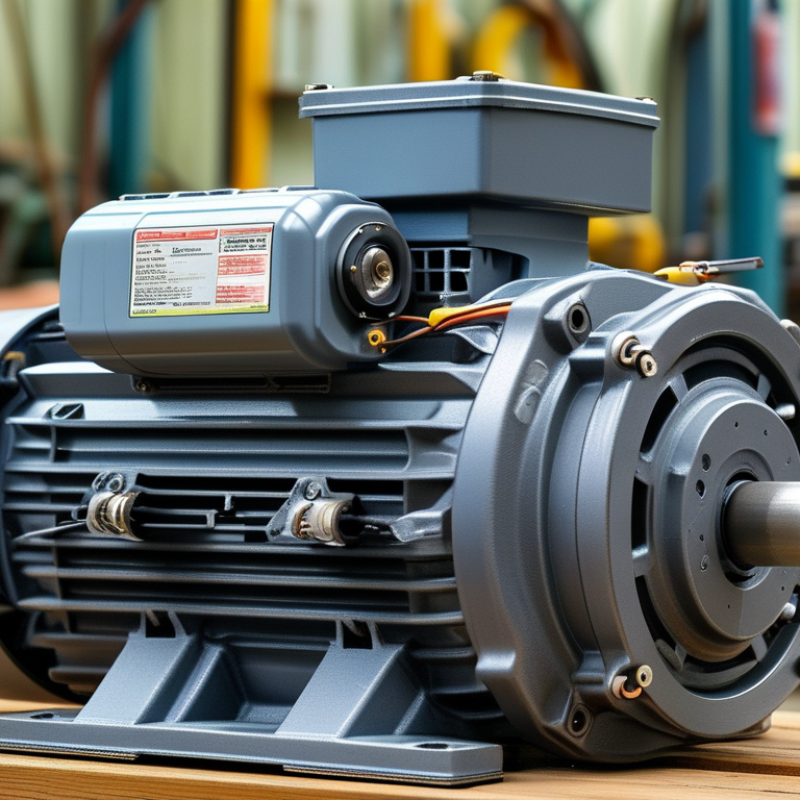
Electric motors play a vital role in various industries, powering everything from household appliances to massive industrial machinery. There are several types of electric motors, each designed for specific applications. For example, AC motors are commonly used in HVAC systems and fans, thanks to their high efficiency and reliability. According to a report by the International Energy Agency, about 45% of global electricity consumption is due to electric motors, indicating their importance in energy management.
DC motors are another prevalent type. They provide precision in applications like robotics and electric vehicles. A recent study published in the Journal of Electric Power Systems highlighted how DC motors outperform AC motors in terms of torque and control. However, the complexity and maintenance requirements can be a challenge. For instance, DC motors are more sensitive to voltage changes, which can lead to performance issues if not carefully monitored.
Stepper motors, known for their accuracy in position control, find applications in 3D printers and CNC machines. Their ability to achieve precise movements makes them invaluable in automation sectors. Yet, they can experience overheating and reduced efficiency if used beyond their capacity. These nuances highlight that while electric motors offer unique benefits, they also require careful consideration of their operational limits to ensure efficiency and reliability.
Electric motors are essential in various applications, making their efficiency and reliability critical. Several factors influence an electric motor's performance. One key aspect is the design of the motor itself. High-quality materials in the rotor and stator can significantly improve efficiency. A 2021 report from the U.S. Department of Energy (DOE) showed that optimized designs can enhance efficiency by up to 10%.
Another crucial factor is energy losses during operation. These losses mostly occur in windings and friction. A study by the International Electrotechnical Commission (IEC) indicated that reducing copper losses can lead to an efficiency increase of approximately 5%. Proper maintenance practices like lubrication and regular inspections also help reduce these losses.
Environmental conditions play an important role as well. High temperatures can lead to increased resistance in electrical components, which in turn affects performance. A focused approach to selecting motors that resist overheating can enhance durability and reliability. Regular assessments should be conducted to ensure motors are operating within optimal conditions. All these factors contribute to the overall longevity and efficiency of electric motors, highlighting the need for quality and care in their usage.
When it comes to reliable electric motors, several industry leaders stand out. Data from a 2022 market analysis indicated that these brands account for over 70% of the market share in the electric motor segment. This dominance is due to their consistent performance and innovation.
Efficiency is a crucial factor to consider. Electric motors can vary significantly in energy consumption. According to a recent report from the International Energy Agency, nearly 40% of industrial energy use is attributed to electric motors. Effective design and reliable engineering here can minimize operational costs and improve overall efficiency.
Sustainability is another priority. Numerous studies emphasize the importance of eco-friendly manufacturing processes. Reliable brands often invest in research to develop low-emission electric motors. However, many manufacturers still struggle with integrating sustainable practices fully. This ongoing challenge highlights the need for consumers to prioritize brands that show accountability towards environmental impact.
| Motor Type | Power Output (HP) | Voltage (V) | Efficiency Rating | Applications |
|---|---|---|---|---|
| AC Induction Motor | 1.5 | 230 | IE3 | Pumps, Fans |
| DC Brushless Motor | 0.75 | 48 | IE4 | Electric Vehicles, Robotics |
| Stepper Motor | 0.5 | 12 | IE2 | 3D Printers, CNC Machines |
| Synchronous Motor | 5 | 400 | IE5 | Conveyor Systems, Compressors |
| Permanent Magnet Motor | 2 | 240 | IE3 | HVAC, Elevators |
Choosing the right electric motor is crucial for optimal performance. Consider the specific application before making a decision. Motors vary in size, power, and efficiency. According to recent industry reports, efficient motors can save up to 40% in energy costs annually.
Look into the types of electric motors available. AC and DC motors each have distinct advantages. AC motors tend to be more durable and require less maintenance, while DC motors offer better speed control. The choice will depend on your operational needs. Analyze load requirements and application environments. Indoor use may allow for different specifications compared to heavy outdoor applications.
Pay attention to efficiency ratings. Many motors are now labeled with an IE (International Efficiency) rating. A higher IE rating indicates better energy conservation. Data shows that opting for an IE3-rated motor can lead to significant energy savings. However, costs may be higher upfront. Balancing initial expenses against long-term savings is essential. Reflect on the specific demands of your use case to ensure the best selection.
Electric motors are essential for various applications. Proper maintenance can significantly enhance their lifespan. Regular checks on components like bearings and windings are crucial. This helps in identifying wear and tear early. It is advisable to keep them clean, as dirt can lead to overheating and failure.
Vibration analysis is another effective method. Unusual vibrations may indicate an imbalance or misalignment. Ignoring these signs often leads to severe problems down the road. Periodically lubricating moving parts can reduce friction and enhance performance. However, over-lubrication can also create issues. It’s all about finding the right balance.
Lastly, monitoring operating conditions cannot be overstated. Excessive heat or moisture can compromise reliability. Consider using temperature sensors and humidity controls. These small adjustments can significantly affect motor efficiency. Reflecting on these factors will help in achieving optimal performance and reliability.
: The main types include AC motors, DC motors, and stepper motors. Each serves different applications.
AC motors are efficient and reliable. They help maintain cooling and heating effectively in various environments.
DC motors provide precision and better torque control, which is essential for robotic movements and tasks.
Voltage sensitivity can lead to performance issues. Maintenance complexity is also a challenge for users.
Stepper motors are crucial in 3D printers and CNC machines, where precise movements are necessary for accuracy.
Regular maintenance extends motor lifespan. Checks can prevent overheating and failures due to wear and tear.
Efficiency can be affected by design quality, energy losses, and environmental conditions like temperature.
High temperatures increase resistance, leading to decreased performance. Proper motor selection can enhance durability.
Regularly inspect components, lubricate moving parts properly, and monitor operating conditions to ensure reliability.
Ignoring maintenance can lead to severe issues, such as overheating and efficiency loss. Regular checks are essential.
Electric motors are essential components in numerous applications, ranging from household appliances to industrial machinery. Understanding the different types of electric motors and their specific applications can help in selecting the most efficient option for various tasks. Efficiency is influenced by several factors, including design, load conditions, and operational environment, which can significantly impact performance and energy consumption.
When choosing the right electric motor, it's crucial to assess your specific needs and requirements, such as torque, speed, and power supply. Additionally, regular maintenance practices can enhance the longevity and reliability of electric motors, ensuring optimal performance over time. By considering these aspects, users can make informed decisions and maximize the effectiveness of electric motors in their applications.
