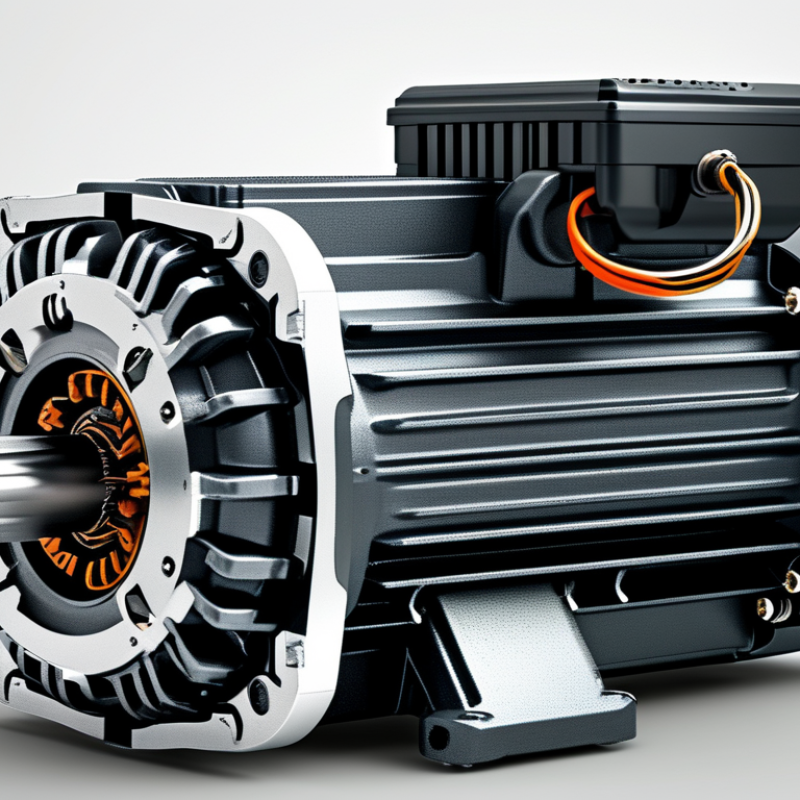
Choosing the right Low Voltage DC Motors is crucial for any project. These motors are widely used in applications like robotics, modeling, and automation systems. Understanding their specifications and performance is key to ensuring optimal functionality.
When selecting Low Voltage DC Motors, you should consider several factors. Voltage range, torque, and speed are essential metrics. Each application has unique needs that may require different motor characteristics. However, finding the perfect fit can be challenging, and not every option will meet expectations.
Experience in using Low Voltage DC Motors is invaluable. It helps to recognize what works and what doesn’t. Engaging with experts or referencing product reviews can provide insights. However, be cautious—manufacturers may not always provide honest marketing claims. Making informed decisions requires careful evaluation and sometimes a bit of trial and error.
Understanding Low Voltage DC Motors: Key Characteristics
Understanding low voltage DC motors is essential for any project involving motion or automation. These motors typically operate between 3 to 24 volts, making them ideal for robotics, small appliances, and hobbyist applications. Key characteristics include torque, speed, size, and efficiency. Higher torque allows for greater load capacity, while speed influences how fast the motor can operate.
Incorporating low voltage DC motors into your projects requires careful consideration. Analyze your application's specific needs. Ensure the motor's specifications match your project's requirements. Sometimes, a motor might seem powerful but struggles with real-world load. Evaluate your design, and be open to adjusting specifications as needed.
When choosing a low voltage motor, consider the environment it will operate in. Some motors perform poorly in high temperatures or exposed to moisture. Think about the long-term reliability of your choice. A less expensive option may be appealing initially but could lead to failures down the line. Prioritize reliability and compatibility with your power source.
Factors to Consider When Selecting Low Voltage DC Motors
Selecting low voltage DC motors for your projects requires careful consideration of multiple factors. Voltage ratings are essential; many applications use motors rated between 3V and 24V. A study by the International Electrotechnical Commission noted that 80% of small devices depend on low voltage power sources. Understanding the environment in which your motor will operate is key. Factors such as temperature, humidity, and potential exposure to dust or liquids can significantly impact motor performance.
Another critical consideration is torque requirements. Proper torque ensures that your motor can handle the load efficiently. According to the Motor and Drive Systems Technical Committee, motors must be selected to deliver peak torque without hesitation. Efficiency ratings should also be examined. A typical low voltage motor has an efficiency of about 75-85% under optimal conditions. Opting for a motor with higher efficiency can reduce energy consumption, directly impacting your project's cost-effectiveness.
Future compatibility is another aspect that should not be overlooked. Plans may evolve, requiring scalability in your motor choices. Make sure to assess whether the selected motor can integrate with future technology or demands. Overall, these considerations help to ensure that your low voltage DC motor selection aligns with both current needs and long-term objectives.
Applications of Low Voltage DC Motors in Various Projects
Low voltage DC motors find extensive applications across various projects, enhancing versatility. These motors are ideal for robotics, where precise movement and compact size are crucial. Many hobbyists use them in DIY robot kits. The motors respond well to electronic speed controllers, allowing smooth operation.
Another exciting application is in small-scale automation. Low voltage DC motors power conveyor belts or small machinery in workshops. Their lightweight design makes them perfect for portable systems. However, it's essential to select the right torque and speed specifications based on project needs. Some projects may require more power than initially anticipated, leading to potential inefficiencies.
Additionally, these motors are frequently found in electric vehicles or drones. They provide the necessary thrust for lift and movement. While they excel in many settings, challenges can arise with heat management. Overheating may impact performance. Proper cooling or thermal sensors can help mitigate this issue, ensuring smoother operation. Careful planning and consideration are vital in optimizing their utility in varied applications.
Applications of Low Voltage DC Motors in Various Projects
Comparing Different Types of Low Voltage DC Motors
When choosing low voltage DC motors for projects, understanding the different types is crucial. These motors vary in design and application. Brushed motors are popular due to their simplicity and ease of use. They deliver high torque at low speeds and are affordable. However, they require frequent maintenance and have a shorter lifespan. Brushless motors, on the other hand, are more efficient. They generate less heat and provide smooth operation. They have a longer life but tend to be more expensive.
For precise applications, stepper motors excel. They offer excellent control over position and speed. This makes them ideal for robotics and 3D printing. Choosing a stepper motor may require additional drivers. This adds complexity to your setup. Consider your project's needs when opting for this type.
Consider these points when selecting motors. Check the voltage and current ratings. Ensure they match your power supply. Assess torque requirements for your application. Think about speed needs; high-speed applications need specific motors. Evaluate space constraints, as size can impact your design. Proper planning can save time and resources. Balancing performance and cost is essential. Taking time to research will lead to better project outcomes.
Tips for Integrating Low Voltage DC Motors into Your Designs
Choosing low voltage DC motors for your projects can be a challenge. To ensure successful integration, it’s crucial to focus on key aspects of your design. Understanding your project requirements is essential. Consider the motor's voltage, current, and speed specifications. Each application may demand different parameters.
Start by evaluating the mechanical load the motor will drive. Do not overlook the torque requirements, as underestimating this can lead to project failures. Testing motor performance under different settings helps identify the most suitable option. It's beneficial to run simulations before finalizing any designs. This can save time and resources.
When integrating low voltage DC motors, remember to plan for thermal management. Motors can overheat, affecting performance and longevity. Designing for proper airflow or using heatsinks can mitigate thermal issues. Additionally, consider the power supply configuration to ensure stable operation. A well-regulated supply boosts reliability. Often, overlooked factors like these can lead to failures or reduced efficiency. Keep refining your designs based on testing to enhance results.
2026 How to Choose Low Voltage DC Motors for Your Projects?
| Motor Type |
Voltage (V) |
Current (A) |
Speed (RPM) |
Torque (Nm) |
Efficiency (%) |
| Permanent Magnet DC Motor |
6 |
1.2 |
3000 |
0.15 |
75 |
| Stepper Motor |
12 |
1.5 |
600 |
0.2 |
85 |
| Coreless DC Motor |
3.7 |
0.5 |
90000 |
0.05 |
90 |
| Brushed DC Motor |
5 |
0.8 |
2400 |
0.1 |
70 |
| Brushless DC Motor |
24 |
2.0 |
5000 |
0.3 |
95 |
Conclusion
Low Voltage DC Motors are essential components in various engineering projects, offering versatility and efficiency in performance. Understanding their key characteristics, such as operational voltage range, torque, and speed, is critical when selecting the appropriate motor for your specific needs. Factors like power supply, load requirements, and desired control mechanisms should be carefully considered to ensure optimal functionality.
These motors find applications in robotics, automation, and consumer electronics, showcasing their adaptability across different industries. By comparing different types of Low Voltage DC Motors, such as brushed and brushless variants, designers can make informed choices tailored to their projects. Additionally, integrating these motors into your designs involves understanding their mounting options and control systems to achieve seamless functionality and reliability.
 Robust DC Motor