Robust DC Motor
When selecting Industrial Motors, understanding the nuances of each option is crucial. Expert engineer, John Smith, emphasizes, “Choosing the right motor can significantly impact efficiency and costs in production.” This highlights the importance of making informed decisions.
Various factors influence the selection process. Consider operational requirements, such as required torque and speed. Pay attention to environmental conditions where the motor will operate. Factors like temperature and humidity can greatly affect performance.
Evaluating reliability and support is also essential. Not all manufacturers provide equal service. Look for companies with strong reputations in the Industrial Motors sector. Their experience can guide you in troubleshooting issues. Remember, a misstep in selection can lead to unexpected downtime and financial loss.
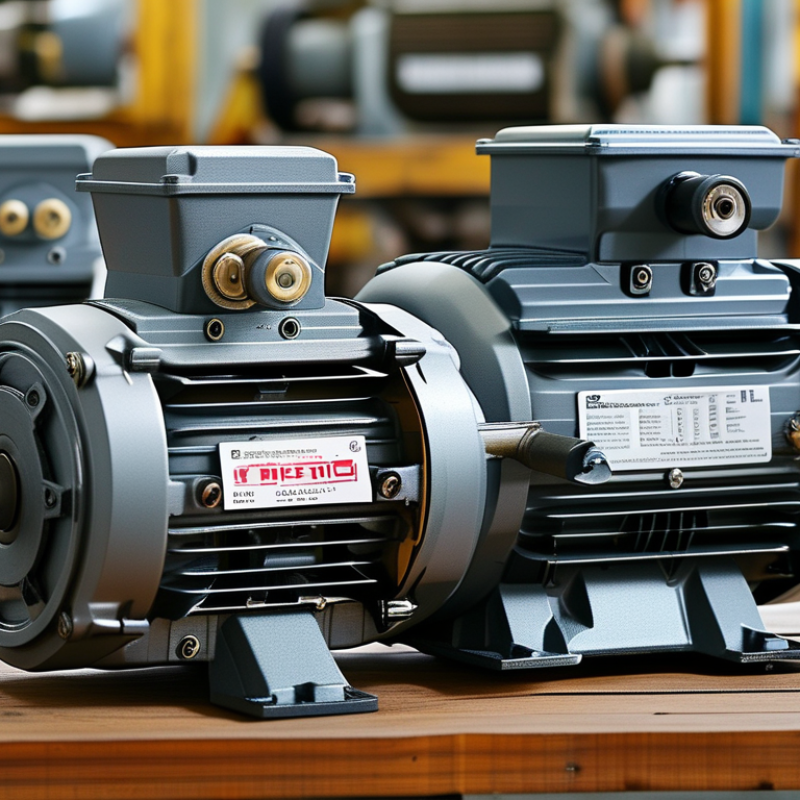
When choosing an industrial motor, it is crucial to understand the various types available. AC motors are popular for their reliability and efficiency. These motors excel in environments requiring constant speed. They can handle different loads with ease and are often used in fans and pumps. In contrast, DC motors are known for their adjustable speed. They provide high torque at low speeds, making them suitable for applications like conveyor belts.
Another option is stepper motors. These motors are ideal for precision applications. They move in fixed increments, which allows for accurate positioning. However, they may not be the best choice for high-speed applications. Brushless motors provide high efficiency and longer service life. They generate less heat and require less maintenance, but their initial cost can be higher.
Evaluating the needs of your application is essential. Consider factors such as load requirements, space constraints, and desired efficiency. Sometimes, the right motor might not be the most expensive or powerful option. It is essential to balance performance with cost-effectiveness. This reflection is key to selecting the most suitable motor for your industrial needs.
When selecting industrial motors, several key factors need to be considered. The first aspect is power requirements. Assess the necessary horsepower based on the application. This depends on the load and the speed you need. Motors have different ratings. Accurate calculations will prevent under or over-specifying.
Another essential factor is the operating environment. Industrial motors can be subjected to dust, moisture, and extreme temperatures. Choose a motor with appropriate enclosures and cooling features to enhance durability. For instance, some motors are better suited for wet environments, while others excel in high-heat situations.
Here are some tips to keep in mind. Always consider energy efficiency. High-efficiency motors can significantly reduce operational costs. Also, look into the maintenance needs of the motor. Some models require more upkeep than others, impacting long-term viability. Lastly, consult with experts. Their insights can guide your decision in selecting the right motor for your specific needs.
When choosing industrial motors, understanding motor specifications is crucial. Power, voltage, and torque are the primary factors to consider. Knowing the required power is essential for optimal performance. Inaccurate power ratings can lead to inefficient operations or even equipment failure.
Voltage ratings determine compatibility with power sources. Ensure the motor voltage matches your supply. Mismatched voltage can damage the motor or hinder its efficiency. Understanding load requirements is vital. Assess how much torque is necessary for your applications. Insufficient torque can cause slow speeds or stalling.
Tips: Always consult industry guidelines for torque calculations. It’s wise to overestimate your needs for added safety. Check temperature ratings, as too much heat can shorten a motor's lifespan. Never overlook installation requirements, such as space and mounting options. Remember, the wrong choice can lead to costly downtime.
When selecting industrial motors, understanding the operating environment is crucial. The conditions in which the motor will function determine its performance and longevity. Factors to consider include temperature variations, humidity levels, and exposure to dust or corrosive agents. For instance, a motor used in a factory setting may face high temperatures and moisture. Choosing a motor with appropriate insulation and sealing is essential for durability.
Vibration is another significant aspect. Motors in industrial settings often experience vibrations from machinery. It's important to select motors that can withstand these forces without suffering damage. Additionally, aligning the motor with the overall layout of the machinery can minimize stress and improve operational efficiency.
Moreover, consider the power supply available in the environment. Motors may require specific voltages or phases, which can vary across different industrial sites. Understanding this helps in choosing a motor that will seamlessly integrate into existing systems. Relying solely on specifications is inadequate; practical assessments of the environment yield insights critical for decision-making. Evaluating these elements ensures that the motor not only fits but thrives in its designated role.
| Factor | Description | Considerations |
|---|---|---|
| Operating Temperature | The temperature range in which the motor will operate. | Choose motors rated for the specific temperature extremes. |
| Humidity Levels | The amount of moisture in the air where the motor will be used. | Opt for motors with appropriate sealing and protection against moisture. |
| Dust and Contaminants | Presence of dust or other particles that can affect performance. | Select motors designed for harsh environments with protective enclosures. |
| Vibration and Shock | Level of vibration and mechanical shock the motor might experience. | Consider motors built to withstand high vibration conditions. |
| Altitude | Height above sea level where the motor will be operated. | Ensure the motor is suitable for the corresponding changes in performance due to altitude. |
| Power Supply Quality | Stability and quality of the electrical supply to the motor. | Select motors that are tolerant to fluctuations in voltage and frequency. |
When selecting industrial motors, efficiency ratings are key. According to the U.S. Department of Energy, increasing motor efficiency can reduce energy costs by 2-8%. This change can lead to substantial savings over the motor's lifespan. Understanding these ratings is essential for choosing the right motor for your needs.
Cost considerations play a significant role in motor selection. While high-efficiency motors often have a higher upfront cost, their long-term savings can be significant. In fact, a study by the National Electrical Manufacturers Association (NEMA) suggests that energy-efficient motors can save over $37 billion annually in the United States alone. However, the initial investment can be daunting for some businesses.
Here are some tips for making an informed choice. Assess your operational needs carefully. Understand your total lifecycle costs, not just the purchase price. Look for performance data, and consider the environmental impact. Efficiency ratings matter, but so do your budgetary constraints. Balancing these factors can lead to a more reliable and cost-effective motor selection.
: Assess the necessary horsepower based on application, load, and speed needs. Accurate calculations are essential.
Environmental factors like dust, moisture, and temperatures dictate motor durability. Choose motors with suitable enclosures.
High-efficiency motors reduce operational costs significantly. Energy savings can lead to better long-term performance.
Ensure motor voltage matches power sources. Torque affects performance; insufficient torque may cause inefficiencies.
Motors need to withstand vibrations from machinery. Select models designed for such conditions to enhance longevity.
Check space and mounting options. The wrong installation can lead to costly downtime and maintenance issues.
Consulting industry experts can provide valuable insights. Their knowledge can help avoid costly mistakes in selection.
Some motors require more upkeep than others. Understanding maintenance needs impacts the motor's long-term viability.
Excessive heat shortens motor life. Always check temperature ratings for optimal operation in various environments.
It's wise to err on the side of caution. Overestimating ensures added safety and performance in demanding applications.
Choosing the right industrial motors is crucial for ensuring optimal performance and efficiency in various applications. Understanding the different types of industrial motors available is the first step. Key factors such as power, voltage, and torque requirements must be carefully evaluated to match the motor to specific operational needs. Additionally, the operating environment plays a significant role in determining motor suitability, as factors like temperature, dust, and moisture can impact performance.
Another important aspect to consider is the efficiency ratings of the motors, which not only affect energy consumption but also overall operational costs. A comprehensive assessment of these factors will help in making an informed decision, ultimately leading to improved productivity and cost-effectiveness in industrial operations.
