In the ever-evolving world of automation and machinery, understanding DC motors is crucial for global buyers. “DC motors are the backbone of many applications,” says Dr. Emily Carter, a leading expert in electric motor technology. Her insights highlight the vital role these motors play in numerous industries, from robotics to automotive.
Buyers often have pressing questions about these crucial components. What are the best applications for DC motors? How do performance specifications impact efficiency? Understanding these aspects is essential for informed purchasing decisions. However, misconceptions about DC motors can lead to poor choices. Many underestimate their importance or overlook key specifications, such as torque and speed ratings.
Navigating the DC motor market requires careful consideration. Details matter, and so does expertise. While many resources are available, buyers must discern credible information. Even seasoned professionals occasionally find themselves reflecting on their choices. Ultimately, making the right decision in selecting a DC motor can significantly impact operational success.
Understanding the Basics of DC Motors for Global Buyers
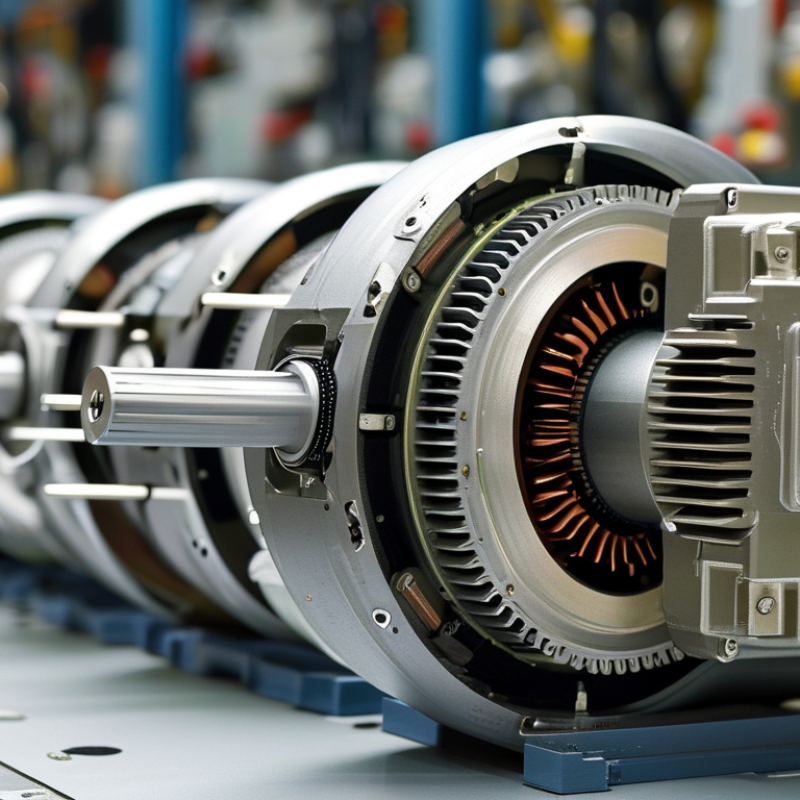
DC motors are widely used in various applications. Understanding how they work is crucial for global buyers. These motors convert electrical energy into mechanical energy, making them essential in robotics, automotive, and consumer electronics. Their simplicity and efficiency make them popular choices across industries.
When considering a DC motor, think about its torque and speed. Torque is crucial for heavy loads. Speed determines how fast a mechanism will operate. Buyers must evaluate the specific requirements of their projects. Using an incorrect motor can lead to inefficiency and malfunctions.
Tips: Always check the power rating. This ensures the motor can handle your application. Insufficient power may cause overheating and failure. Keep in mind the voltage ratings as well. Motors need a stable power supply to function effectively.
Another point to consider is the environmental conditions. Motors will perform differently in varying temperatures and humidity levels. It is essential to specify such conditions to avoid performance issues. Select a motor that meets these challenges for reliable operation.
Key Specifications to Consider When Purchasing DC Motors
When purchasing DC motors, several key specifications demand attention. Voltage rating is crucial. Most DC motors operate within specific voltage ranges, typically between 6V and 48V. Choosing a motor that matches the voltage of your application ensures optimal performance and longevity. According to a recent industry report by Research and Markets, the global DC motor market is projected to reach over $10 billion by 2027. This surge highlights the importance of making informed purchasing decisions.
Another significant specification is torque output. Torque influences a motor's ability to perform the required work. Standard torque ratings vary widely, from a few ounce-inches for small motors to thousands for larger applications. Potential buyers should assess their needs carefully. An underpowered motor might fail under load, while an unnecessarily powerful motor can lead to energy inefficiency.
Moreover, consider the motor's efficiency and duty cycle. Efficiency impacts both operational costs and environmental sustainability. Research indicates that high-efficiency motors can reduce energy consumption by up to 10-30%. Duty cycle defines how long a motor can run before needing a break. Buyers must evaluate these factors to avoid operational complications.
Common Applications of DC Motors in Various Industries
DC motors find significant use across various industries due to their flexibility and efficiency. In manufacturing, they power conveyor belts, enabling the smooth transport of materials. The global industrial motor market is projected to reach $90 billion by 2026, highlighting the demand for reliable motor solutions. Furthermore, DC motors are essential in robotics, allowing precise control of movements. This precision is critical as industries strive for automation and heightened productivity.
In the automotive sector, DC motors are used in applications like power windows and seat adjustments. The electric vehicle market, estimated to grow to over 25 million units by 2027, heavily relies on these motors for auxiliary functions. Despite their advantages, some challenges exist. Efficiency can decline with prolonged use, leading to increased maintenance costs.
Additionally, in the medical field, DC motors drive devices such as surgical instruments. These motors must meet stringent safety standards due to their critical roles. The healthcare industry invests around 10% of its revenue in equipment innovation, emphasizing the need for dependable motor technology. These varied applications showcase the importance of DC motors while also indicating areas needing ongoing improvement and innovation.
Comparing Different Types of DC Motors: Which One to Choose?
When considering different types of DC motors, it's crucial to understand their unique features. There are brushed and brushless motors, each with distinct advantages.
Brushed motors are simple and cost-effective. They are widely used in toys and small appliances. However, they require regular maintenance due to wear on the brushes. This could be a drawback in long-term applications.
Brushless motors, on the other hand, do not have brushes. This design reduces friction and improves efficiency. They are quieter and have a longer lifespan. However, they are typically more expensive to manufacture. Users must weigh the cost against the benefits for their specific needs.
Choosing the right motor depends on various factors. Consider the application. For high-demand projects, efficiency is key. If budget constraints exist, a brushed motor may suffice. Understanding the requirements and limitations of each type helps make an informed choice. The selection process is not just technical; it involves reflection on long-term goals and potential trade-offs. Each choice comes with its own challenges, and a careful evaluation can lead to better outcomes.
Maintenance Tips to Ensure Longevity of DC Motors
When it comes to DC motors, proper maintenance is crucial for ensuring their longevity. Regular inspections can prevent minor issues from becoming major failures. For instance, a report from the International Electrotechnical Commission highlights that almost 30% of motor failures are attributed to inadequate maintenance practices. Ignoring these practices can lead to decreased efficiency and unexpected downtimes.
Lubrication is a key aspect of DC motor maintenance. It is recommended to use high-quality lubricants to reduce friction and wear. A study from the IEEE found that well-lubricated motors can run up to 15% more efficiently than poorly maintained ones. It's also essential to regularly check for dust and debris accumulation, as these can significantly affect performance and lead to overheating.
Additionally, monitoring operating temperatures can be indicative of motor health. An increase in temperature may suggest electrical imbalances or mechanical issues. If a motor consistently operates above its rated temperature, it can result in insulation failure. Regularly testing insulation resistance can prevent catastrophic failures. Maintaining DC motors requires vigilance and a proactive approach to ensure they operate smoothly over time. These practices are not only beneficial but essential for optimizing performance in demanding applications.
Conclusion
This article titled "Top Questions About DC Motors for Global Buyers" provides an insightful overview of DC motors, catering specifically to the needs of international purchasers. It begins by examining the fundamental concepts of DC motors, helping buyers grasp their operational mechanisms and advantages. Key specifications such as voltage, power output, and efficiency are outlined to guide informed purchasing decisions.
The article also highlights common applications of DC motors across various industries, showcasing their versatility in driving machinery, robotics, and consumer electronics. A comparative analysis of different types of DC motors—brushed, brushless, and stepper models—equips buyers with the knowledge to select the most suitable option for their specific requirements. Finally, it offers practical maintenance tips to ensure the longevity and optimal performance of DC motors, emphasizing the importance of regular care and troubleshooting.
 Robust DC Motor
