When it comes to selecting Miniature DC Motors, making the right choice can be daunting. The market has seen rapid growth, with a projected CAGR of 8% from 2020 to 2027, according to a recent report by Allied Market Research. These small yet powerful motors are crucial for a variety of applications, from robotics to consumer electronics.
Dr. Emily Carter, a renowned expert in motor technology, emphasizes, "Choosing the right miniature DC motor is essential for the success of innovative projects." This insight underscores the importance of understanding factors like torque, speed, and size. While many hobbyists rush into purchasing, they may overlook specifications that directly affect performance and efficiency.
It is essential to analyze your project’s requirements carefully. An ill-suited motor can lead to inefficiencies and even project failure. Many users forget to factor in environmental conditions affecting motor operation. Addressing these details can save time and resources. Choosing the right Miniature DC Motors can be a delicate balance of technical specifications and practical considerations.
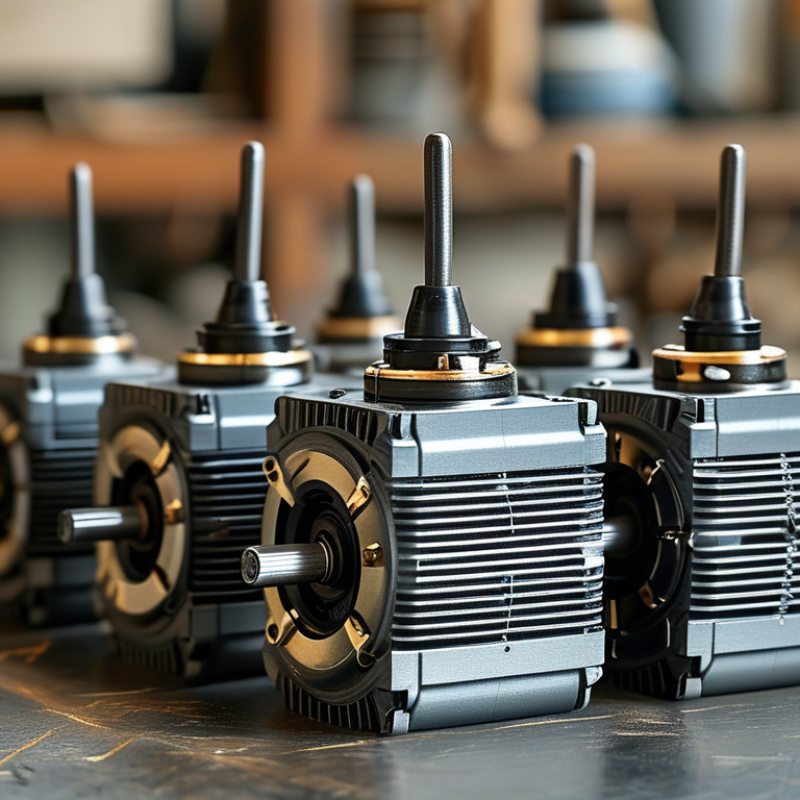
Understanding the Basics of Miniature DC Motors
Miniature DC motors are essential components in various projects. Understanding their basic function is crucial. These motors convert electrical energy into mechanical energy, driving small devices effectively. They are widely used in robotics, toys, and gadgets. Choosing the right motor can improve performance significantly.
When selecting a miniature DC motor, consider voltage ratings and torque requirements. Higher voltage can lead to faster speeds, but it may generate excess heat. Torque is equally important; insufficient torque may result in incomplete operation. Testing different options can help identify the best match for your project. This trial-and-error approach can feel frustrating, but it leads to better outcomes.
Pay attention to the motor's dimensions and weight. Compact designs can save space but might reduce overall power. It's important to weigh these factors against your project's needs. In the end, experimenting with various motors will enhance your understanding and skills. The nuances of miniature DC motors require careful consideration and hands-on experience for optimal results.
Factors to Consider When Selecting Miniature DC Motors
When selecting miniature DC motors for your projects, several factors warrant attention. One critical aspect is the voltage and current requirements. Different motors operate optimally at specific voltage levels. Matching these parameters to your project can ensure efficient performance. A mismatch may lead to overheating or underperformance.
Another factor is the required torque and speed.
Each application demands distinct torque levels to operate effectively. Calculate the necessary torque by analyzing the load your motor must handle. Additionally, consider the speed range, as it affects how your device performs under different conditions. Pay close attention to gear ratios, as they may influence your motor's output significantly.
Lastly, size and weight cannot be overlooked. Ensure that the motor fits within your design constraints. A bulkier motor might seem powerful, but it can complicate your project. Don't forget about the noise produced by the motor. Sometimes, a quieter option is preferable, especially for consumer electronics. Balancing all these factors can be challenging, but it is essential for successful outcomes.
Evaluating Motor Specifications for Your Application Needs
When selecting miniature DC motors, understanding motor specifications is crucial. Motor voltage, torque, speed, and size are primary factors. Each application demands different attributes. For example, a hobby project may require a motor that operates at a lower voltage, while robotic applications might need higher torque.
Evaluate the voltage requirements carefully. Too high or too low can lead to inefficiencies. Consider the torque output next. It determines how well the motor can handle load. Testing different motor sizes can yield surprising results. A compact motor might be perfect for limited spaces. However, if it cannot provide ample torque, it may fail in demanding applications.
When assessing your needs, always consider application context. Are you prioritizing speed over torque, or vice versa? Testing under real conditions can help clarify long-term viability. Seek advice from experienced hobbyists or engineers, as insights can avoid costly mistakes. Remember, even experienced users often refine their choices based on specific needs and unexpected challenges.
Top Tips for Choosing Miniature DC Motors for Your Projects
| Specification |
Description |
| Voltage (V) |
Operating voltage available in typical ranges such as 3V, 6V, 12V. |
| Current (A) |
Maximum current draw under load, e.g., 0.1A to 2A. |
| Speed (RPM) |
No-load speed at rated voltage, e.g., 10000 RPM. |
| Torque (mNm) |
Stall torque, measurable in milliNewton meters, e.g., 30 mNm. |
| Gear Ratio |
Gear reduction ratios, e.g., 1:10, impacting speed and torque. |
| Size (mm) |
Dimensions of the motor, e.g., diameter and length. |
| Weight (g) |
Weight of the motor, which can impact overall project weight. |
| Lifespan (Hours) |
Expected operational lifespan, commonly rated in hours, such as 1000 hours. |
The Importance of Size and Weight in Miniature DC Motors
When selecting miniature DC motors, size and weight are pivotal. These factors significantly impact the design and functionality of your project. A lighter motor can enhance the overall efficiency of your application. This is crucial in robotics, where weight reductions lead to improved mobility. Small devices require motors that fit without compromising structural integrity. Choosing the right dimensions ensures that the motor works harmoniously with the rest of the components.
The weight of the motor also influences power requirements. A heavier motor may demand more energy, potentially reducing battery life. If your design includes multiple motors, this cumulative weight can affect stability. However, it's worth noting that sometimes lightweight motors can compromise torque. Balancing these parameters is vital for effective performance.
In some cases, your initial choice might seem ideal, but practical testing could reveal flaws. Be prepared to iterate on your choices. A slightly larger, heavier motor might outperform a smaller one due to increased torque. Understanding how size and weight affect functionality is essential for refining your project. Each decision plays a crucial role in the outcome.
Common Applications and Use Cases for Miniature DC Motors
Miniature DC motors are critical in various applications. They are commonly used in robotics, toy vehicles, and small appliances. In robotics, they provide precise motion control. These motors enable robots to move smoothly and efficiently. They can also be found in hobbyist projects, such as remote-controlled cars and drones. Their ability to operate at different speeds and torque levels makes them ideal.
Another significant use case for miniature DC motors is in medical devices. They are instrumental in equipment like blood pumps or small surgical tools. These motors require reliable performance and precision. A failure in these motors can lead to significant issues. Therefore, choosing the right motor becomes crucial.
Miniature DC motors are also common in home gadgets. They power devices like electric toothbrushes and kitchen mixers. These applications require motors that can withstand daily wear. While many options exist, not all are suitable for every task. Evaluating efficiency and torque needs is necessary. Ultimately, the choice of a miniature DC motor can greatly impact a project's success.
Top Tips for Choosing Miniature DC Motors for Your Projects
This chart illustrates the common applications and use cases for miniature DC motors, highlighting their popularity and usage frequency across various sectors.
FAQS
: Miniature DC motors drive small devices in robotics, toys, and gadgets. They enable precise motion control.
Consider voltage ratings and torque requirements carefully. Higher voltage means faster speeds but can generate excess heat.
Torque determines how well the motor handles load. Insufficient torque can lead to incomplete operation or failure.
Yes, compact designs save space but may reduce overall power. Balance size and performance based on your project needs.
Absolutely. Testing various motors helps identify the best match. This trial-and-error approach may be frustrating but is necessary.
Evaluate your application context. Determine if speed or torque is more critical for your project’s success.
Seek advice from experienced hobbyists or engineers. Their insights can help refine your choices and highlight unexpected challenges.
Using incorrect voltage can lead to inefficiencies. It's crucial to assess voltage requirements for optimal functionality.
Common issues include overheating and insufficient torque. These failures can significantly impact the performance of devices they power.
They require reliable performance and precision. A failure can lead to critical issues, making the right motor choice essential.
Conclusion
When selecting Miniature DC Motors for your projects, it's essential to understand their fundamental characteristics and features. Begin by familiarizing yourself with the basic principles of how these motors operate. Consider critical factors such as voltage requirements, torque, and speed, which will significantly affect the performance of your motor in specific applications.
Evaluating motor specifications tailored to your project's needs is crucial, as each application may demand different requirements, such as power output or size constraints. Additionally, the size and weight of Miniature DC Motors can greatly influence the design and feasibility of your project, especially in compact applications. Common use cases include robotics, hobby projects, and miniature devices, making it important to choose the right motor to ensure success in your application.
 Robust DC Motor
