 Robust DC Motor
Robust DC Motor
Robust DC Motor
In the rapidly evolving field of automation, Robotic Motors play a crucial role in achieving efficiency and precision. According to Dr. Emily Carter, a leading expert in robotics, "The future of automation lies in the advancement of robotic motors." Her insight highlights the significant impact these components have on various industrial applications.
Robotic Motors are the backbone of modern robotics, providing the necessary torque and speed for diverse tasks. These motors not only influence the performance of robots but also their operational lifespan. As automation continues to grow, understanding the latest technologies in robotic motors becomes vital for industries seeking to enhance productivity.
Despite the advancements, not all robotic motors are optimized for every application. Companies must carefully select motors that fit specific needs. Poor choices can lead to inefficiencies, highlighting the importance of expert guidance. As the industry evolves, staying informed about the best options will be key to future successes in automation solutions.
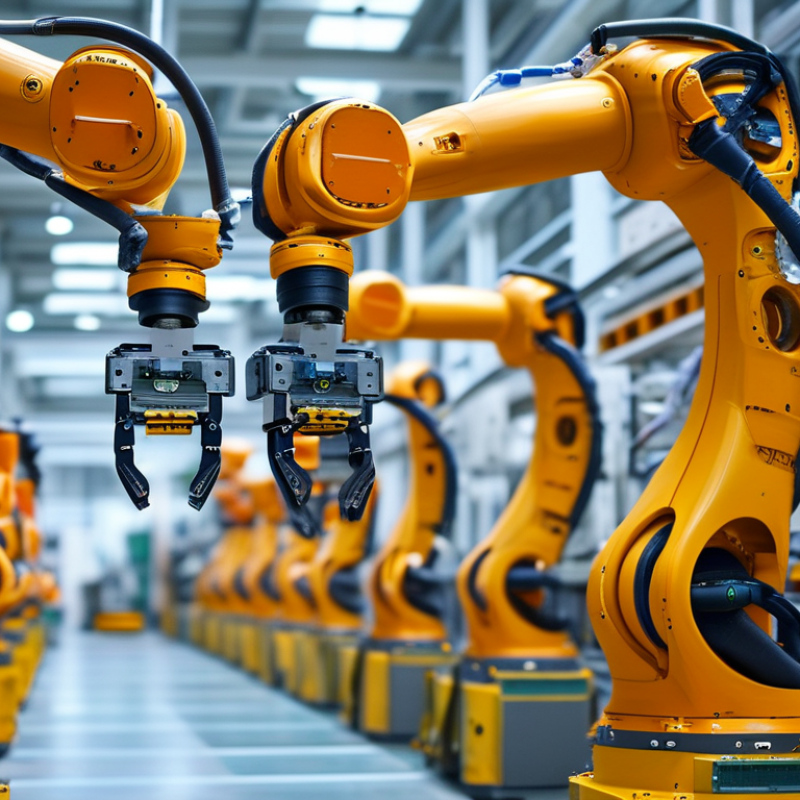
Robotic motors play a crucial role in automation applications. They convert electrical energy into mechanical motion and are the backbone of various automated systems. According to a report by Allied Market Research, the global robotic motor market is projected to reach $16.81 billion by 2027, growing at a CAGR of 8.2%. This growth reflects the increasing demand for automation across sectors, including manufacturing, logistics, and healthcare.
In manufacturing, precision is vital. Robotic motors provide the necessary torque and speed for tasks like assembly and material handling. For instance, in a typical assembly line, a motor's efficiency can reduce cycle time by up to 30%. However, the motor selection process can be challenging. Engineers must consider factors like load capacity, durability, and control systems. Poor choices may lead to performance issues, increased downtime, and unexpected failures.
Additionally, the integration of advanced technologies, like IoT, enhances motor performance. Sensors can monitor motor conditions in real time, improving predictive maintenance. However, not all companies have adapted to these technologies. According to a McKinsey report, only 20% of industry players fully leverage automation. This suggests room for improvement in understanding and implementing robotic motors effectively. The future of automation undoubtedly depends on refining these essential components for optimal performance and reliability.
: Torque determines how much load a motor can handle. High torque is essential for tasks like lifting heavy objects.
Different tasks require different speeds. Some need quick movements, while others demand precision. Balancing these needs is challenging.
Efficient motors save on operational costs. Check power ratings to find suitable options. Efficiency can vary in different situations.
Servo motors provide precise control using feedback. They ensure smoother operations and better performance under various loads.
Stepper motors move in discrete steps for accurate positioning. They don't need feedback but may struggle at high speeds.
DC motors offer continuous rotation and consistent speed. They are easy to control but lack precision compared to servo and stepper motors.
There's a focus on energy-efficient motors and AI integration for better control. However, reliability concerns and complexity remain challenges.
Some new technologies may suffer from wear and tear, leading to downtime. Integration complexity also requires skilled personnel.
The goal is to enhance motor durability while maximizing efficiency. This will help meet the growing demand for automation.
Robotic motors play a crucial role in enhancing automation solutions across various applications. This article provides an overview of these motors, highlighting their significance in achieving efficient performance. When selecting robotic motors, key features such as torque, speed, and precision are essential considerations to ensure optimal functionality in robotic systems.
The article also presents a detailed analysis of the top 10 robotic motors that excel in performance and reliability, alongside a comparative examination of different motor types, including servo, stepper, and DC motors. Additionally, it explores future trends in robotic motor technology, emphasizing innovations that are set to revolutionize automation practices. Understanding these elements is vital for industries aiming to leverage robotic motors for increased operational efficiency.
