Robust DC Motor
Robust DC Motor
Robust DC Motor
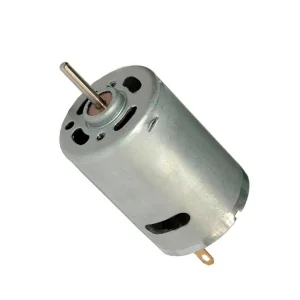
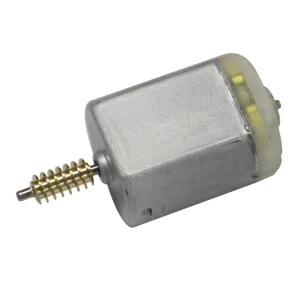
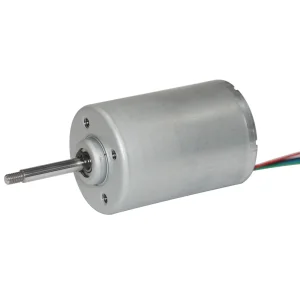
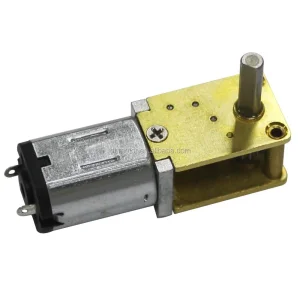
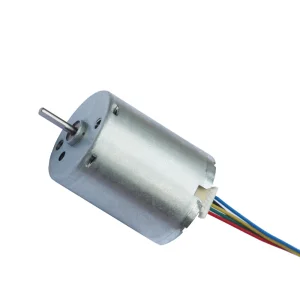
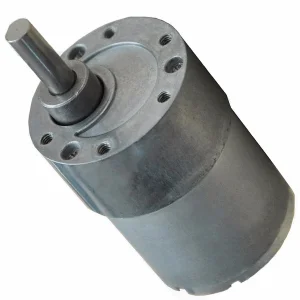
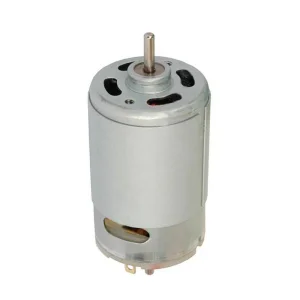
In the design of modern robotic joints, micro-valves, electric vehicle locks, and state-of-the-art consumer appliances, physical envelope volume is an expensive engineering constraint. At Robust DC Motor, we define our industrial capability not in tons of metal stamped, but in microns of alignment and decibels of sound reduction. Our goal is to extract maximum dynamic performance and packing efficiency from low-voltage DC motors, delivering reliable motion control where spacing budgets are tightest.
Our competencies lie in precision stator geometry, customized winding counts, and optimized dynamic commutation systems. From specialized magnetic materials to integrated planetary gearboxes, every element is designed to minimize internal losses and mechanical wear. By utilizing advanced automated winding machines and computerized dynamic balancing, we ensure that every low-voltage motor operates smoothly, predictably, and with minimal heat emission. When your next engineering iteration requires robust rotary force in a confined frame, our customized micro-drives provide the technological baseline to move your project forward.
The global industrial landscape is undergoing a structural shift toward electrification, low-emission operations, and distributed automation. Historically, heavy industry relied on line-voltage AC motors for bulk raw-material operations. However, the modern commercial ecosystem—ranging from agricultural drones to collaborative surgical robots—demands isolated, safe, and highly controllable low-voltage systems (typically operating between 3V and 48V DC). This transition is driven by three primary commercial realities:
1. Intrinsic Safety Regulations (UL, CE LVD): By operating equipment beneath the 50V AC / 120V DC threshold, system developers simplify compliance, minimize shock hazards to end-users, and lower insurance liabilities across consumer and commercial sectors.
2. Battery-Powered Mobility and IoT Grid Independence: The rapid growth of autonomous delivery rovers, automated guided vehicles (AGVs), and portable medical diagnostics relies on lightweight battery packs. Efficient low-voltage brushless DC (BLDC) motors maximize battery runtime, directly translating to longer operation cycles and lower operational costs.
3. Decentralized Multi-Axis Actuation: Modern factory floors utilize distributed micro-actuators rather than massive centralized pneumatic systems. By placing dedicated micro-drives exactly where physical work is performed, industrial operators eliminate pneumatic leak losses and achieve sub-millimeter positioning precision.
When sourcing low-voltage DC motors, procurement officers must look beyond unit pricing to evaluate total lifecycle cost, technical design alignment, and regulatory compliance. Sourcing low-voltage drives that carry verified CE Certification is critical to ensuring smooth market access, especially within the European Economic Area (EEA). A comprehensive engineering-led sourcing framework focuses on key technical criteria:
Under Directive 2014/30/EU, low-voltage motors must not emit high-frequency noise that disrupts nearby processors, nor fail under external electromagnetic stress.
Assessing insulation ratings (Class B or Class F) is critical for matching motors to extreme operating conditions. Proper thermal design avoids coil breakdowns and extends service life.
Verification of RoHS and REACH compliance protects OEMs from chemical liability, ensuring safe use in medical devices and household consumer systems.
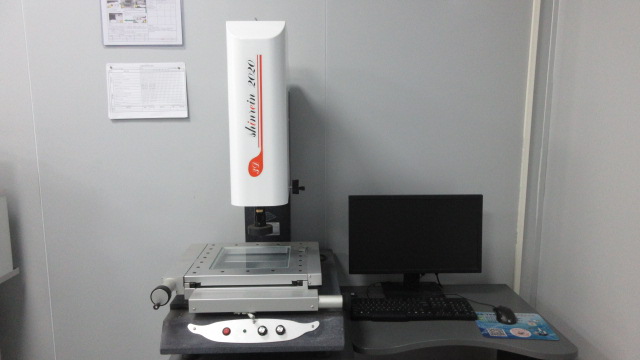
Evaluating a factory's quality management system (QMS) requires looking closely at their test facilities. An ideal manufacturer does not rely solely on visual inspection. Instead, they utilize comprehensive testers, coordinate measuring machines (CMMs) for micro-gears, and automated dynamometers. Sourcing from a facility with vertically integrated manufacturing (stamping, winding, and assembly under one roof) minimizes quality variations and prevents supply disruptions.
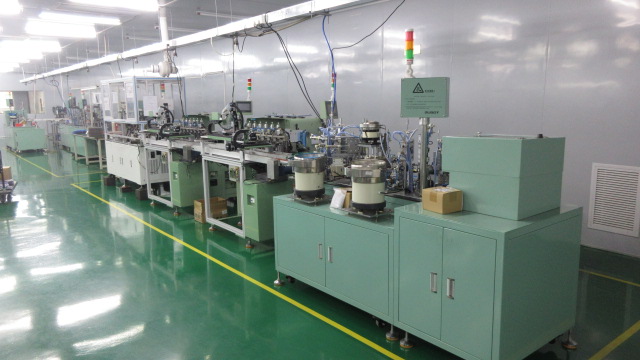
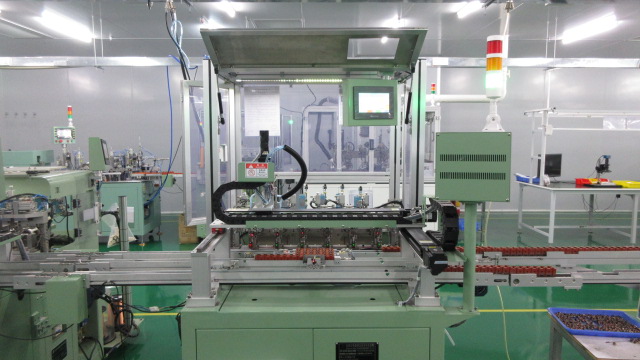
The shift toward smart manufacturing (Factory 4.0) has transformed modern production facilities from manual assembly operations into highly automated, data-driven systems. By integrating advanced production equipment with automated quality control, Chinese factories maintain high throughput while keeping defect rates low.
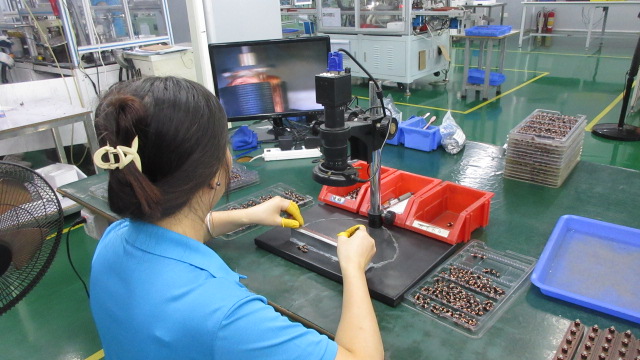
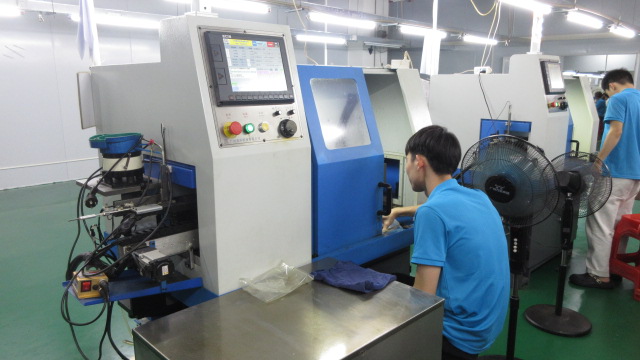
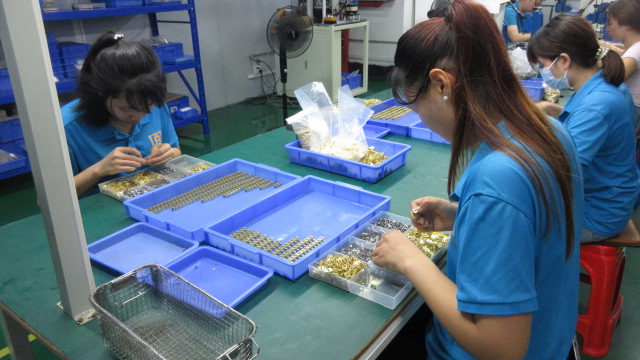
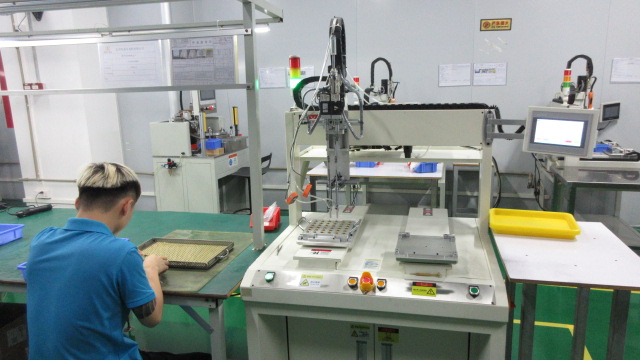
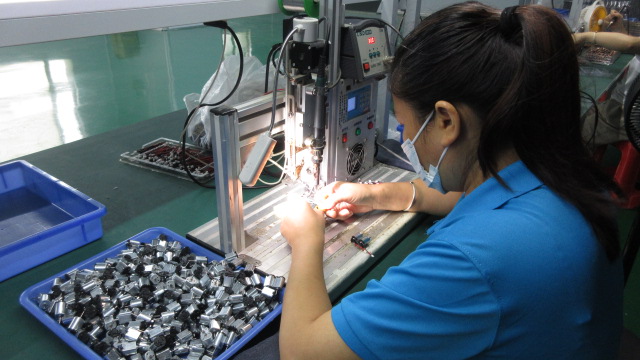
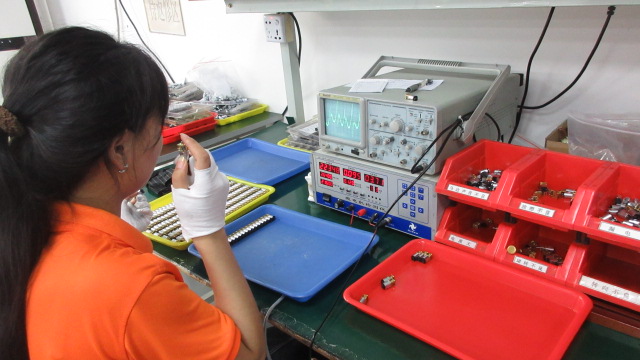
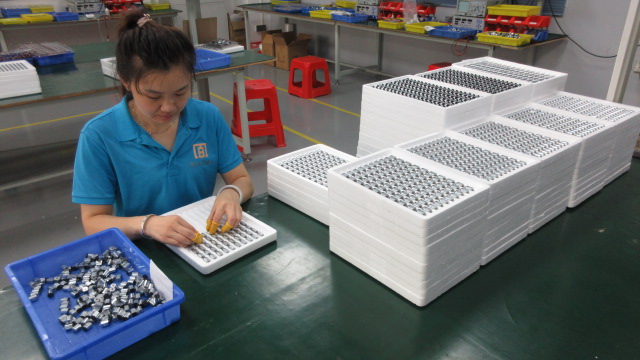
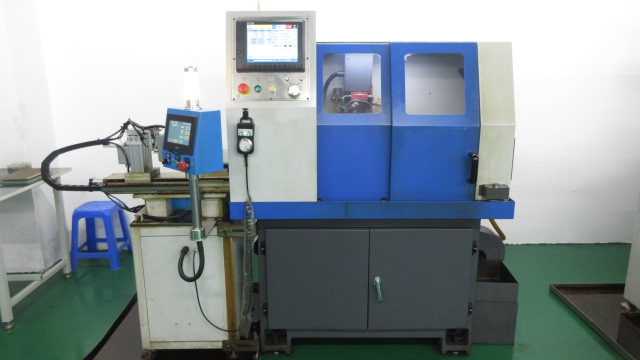
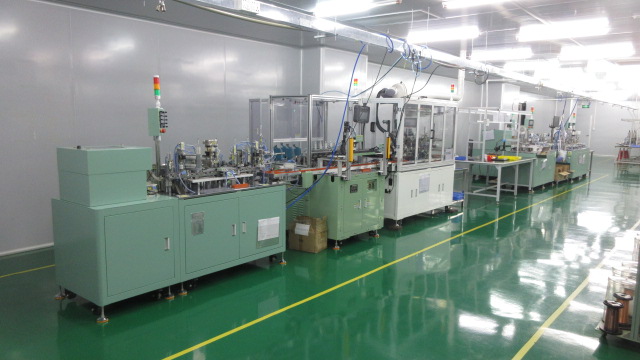
For micro-motors, precision is built directly into the manufacturing process. Advanced automatic winding machines ensure uniform coil distribution, reducing internal friction and heat. High-speed CNC hobbing machines produce micro-gears with tight tolerances, minimizing noise and backlash. Automated optical inspections and coordinate measuring machines monitor part quality in real-time, verifying dimensions down to the micron. Below is a detailed look at the core manufacturing processes and test workflows in our CE-compliant production line:

Precision micro-drives must be tailored to their specific working environment. Operating conditions determine the required mechanical and electrical specifications:
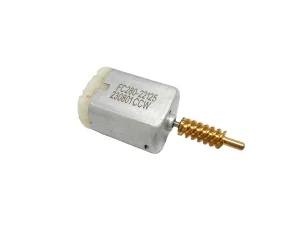
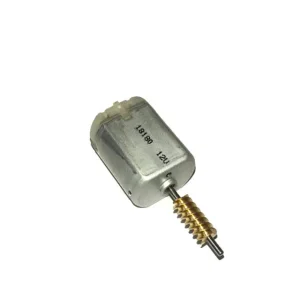
Automotive Cabin Systems: Actuators inside cars—such as central door locks, dynamic headlight adjusters, and mirror fold mechanisms—experience extreme temperature fluctuations (from -40°C to +85°C) and constant vibration. Motors like the FC280 series utilize specialized alloy metal brushes and hardened terminal connections to maintain structural integrity under continuous shock loads.
Medical Systems & Personal Wellness: Devices like micro-infusion pumps, surgical tools, and targeted massagers require very low electrical noise. Using outer-rotor brushless DC configurations minimizes electromagnetic interference (EMI), which protects high-gain biological sensors and ensures quiet operation near patients.
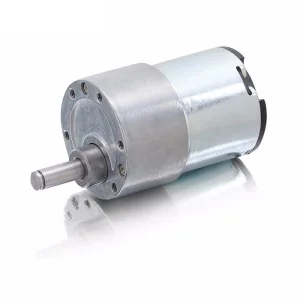
Smart Home Automation & Connected Devices: Video security locks, motorized window shades, and automated valves require high startup torque in a compact size. Using miniature planetary gear trains, like those on N20 micro-gear motors, allows developers to achieve high holding torque without drawing excessive current.
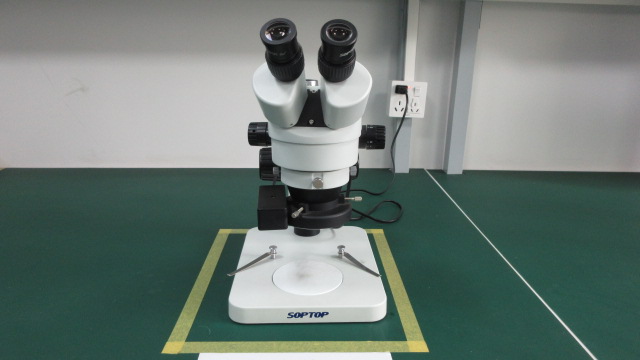
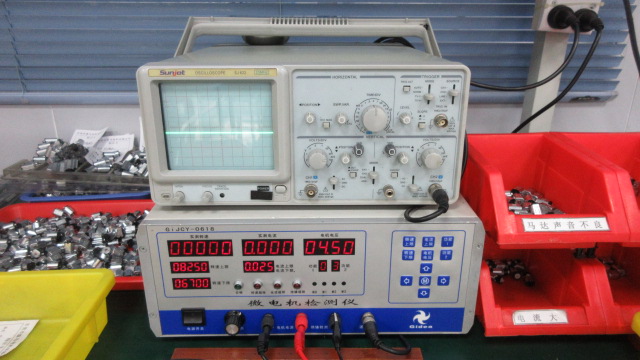
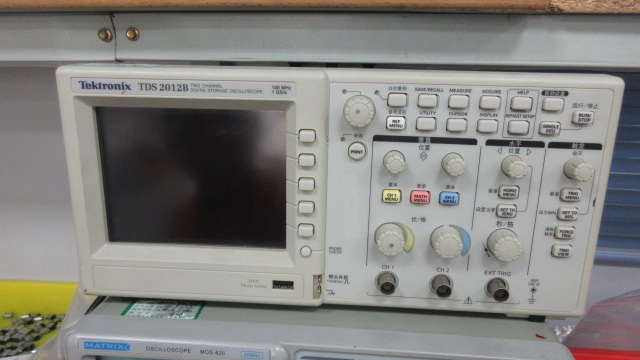
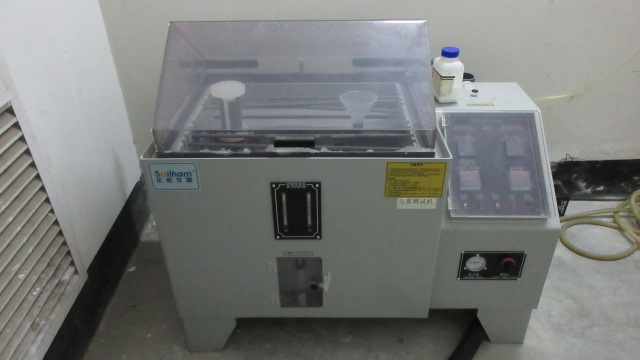
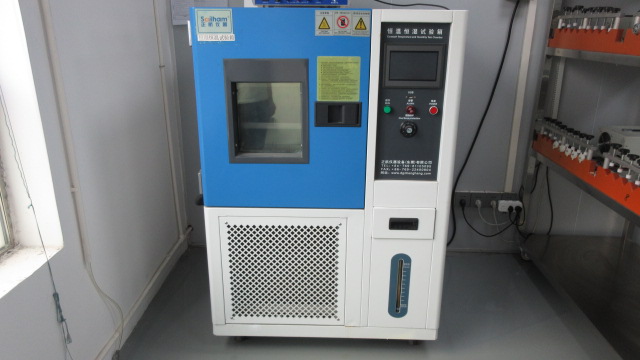
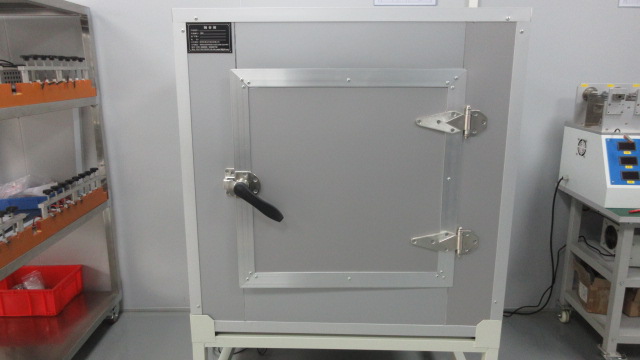
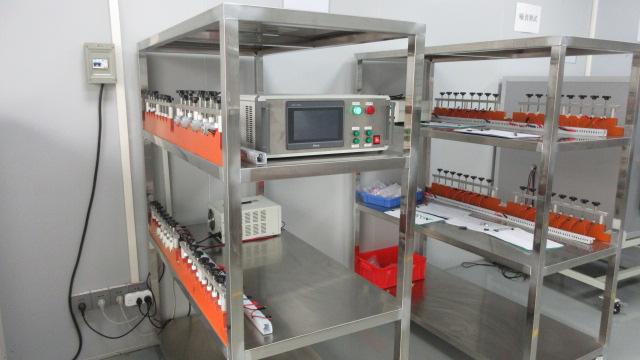
Our QC laboratory tests materials and finished assemblies to ensure performance matches specified limits. Operating parameters are monitored across environmental and electrical simulations, using specialized test equipment to verify motor durability.
Detailed answers to common technical, compliance, and customization inquiries from procurement engineers and project managers.